In July of this year, Alabama passed HB 445, outlining the Alabama Alcoholic Beverage Control Board to regulate all hemp products through the licensure of manufacturers, wholesale distributors and retailers. While smokable hemp products and synthetic cannabinoids are banned, the sale of edibles and beverages up to 10mg of Tetrahydrocannabinol (THC) are allowed. Full enforcement of this law begins on January 1, 2026.
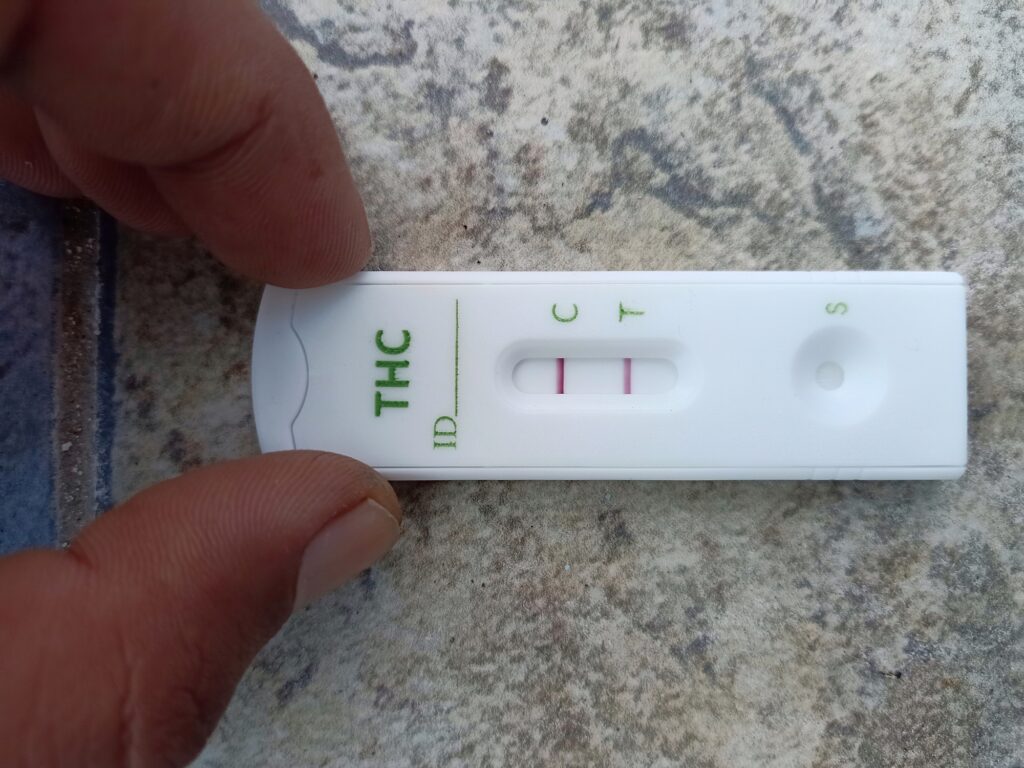
So, what does this mean for employers in Alabama regarding drug testing? Cannabidiol (CBD) registers on a drug screen as THC, the same as marijuana does, so routine drug tests, including the common 5-panel test, are designed to detect THC metabolites. Since the FDA does not certify the levels of THC in most over-the-counter CBD products, labels can be misleading. Therefore, some products might contain enough residual THC to trigger a positive test, especially with frequent use.
Employers in Alabama are not required to, but do have the option to also request a CBD THC Ratio Urine Test. This test measures the ratio of CBD to THC in a urine sample. THC is the primary psychoactive component of cannabis (marijuana) which is responsible for the high that users experience. CBD is one of the main active ingredients in cannabis but is also found in hemp plants which contain very little THC. A number of CBD products are available which claim to provide benefits such as pain relief or reduction in depression or anxiety. CBD can be added to food or drink, taken in capsule form, applied to the skin, or inhaled through vaping devices. Due to the laws regulating marijuana sale and use, most commercially available CBD products must be derived from hemp and contain little to no THC. The CBD/THC ratio test can help to distinguish whether a person is using THC free CBD products as opposed to Marijuana or other THC products. This test may be ordered as a follow up to a positive marijuana drug test when the person taking the test claims they are using CBD products rather than marijuana. It can also be used when a person is taking CBD to verify that the product does not contain THC.
- Pre-Employment: Alabama employers can test an applicant after the applicant has received a copy of the company’s drug-testing policy and a conditional employment offer.
- Testing of Current Employees: Employer testing, including random testing, is legal, and employers should make sure their policy defines the parameters for testing of current employees.
- Use for Medical Reasons: Alabama employers are not required to accommodate medical cannabis (which can include CBD) use and can maintain a drug-free workplace policy. Drug testing is not an illegal medical inquiry and therefore does not violate disability laws. One court decision stated that an employee treated with CBD was aware that a test could show a low level of THC but failed to inform the employer. The court ruled that this constituted an “illegal use of drugs” under the employer’s policy (Lehenky v. Toshiba America Energy Systems Corporation, Case No. 20-4573).
- Workers’ Compensation: Alabama employers can leverage a “rebuttable presumption of intoxication” defense in workers’ compensation cases based on a positive test result.
- DOT Regulations: For employers with company drivers subject to DOT regulations, the DOT explicitly states that CBD use is not a legitimate medical explanation for a positive marijuana test result.
- Termination: Yes, an employee can still legally be terminated, even for low levels of THC, as long as your company policy adequately supports it.
It is important for employers to have well-structured and well-defined drug testing policies due to medical and recreational marijuana vastly expanding across the country, and the use of THC derivatives and derivative-based products such as CBD. Companies should decide what they need their policies to look like and ensure they address all types of drugs that may impact or otherwise impair an employee’s performance, including prescription and over-the-counter medications. This is especially true for employers involved in workers’ compensation Drug Free Workplace policies that have stringent requirements regarding what such policies have to look like.
By Karen Burton, SHRM-SCP, SPHR