
Through a Baby Boomers Lens
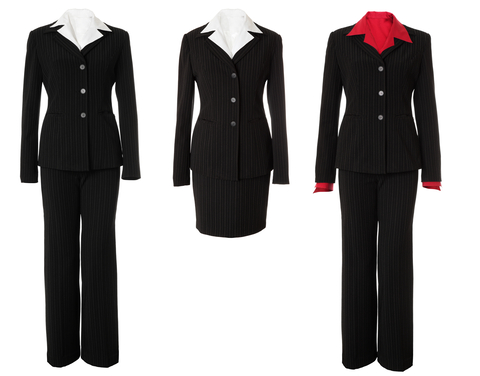
For Baby Boomers like me, professional office dress
historically demanded strict, formal corporate attire. This standard was
designed to project authority, organizational hierarchy, and a serious
commitment to the workplace. This rigorous standard was established early;
during my time in business school, students were required to attend class daily
in full professional attire. Non-compliance resulted in a failing grade for the
day.

The expectations for women were uncompromising, requiring
tailored skirt suits or dresses paired with mandatory hosiery. Footwear was
strictly limited to conservative, closed-toe leather or suede pumps with
moderate heels. While the 1980s introduced slight flexibility by permitting
structured pantsuits, characterized by the era’s iconic, pronounced shoulder
pads, the underlying standard remained highly formal. For men, the baseline
expectation consisted of tailored suits in conservative, solid colors, mandatory
neckties, button-down dress shirts worn over undershirts, and polished leather
shoes.

Consequently, the introduction of “Casual Fridays” induced
significant ambiguity and anxiety for many professionals of my generation.
After decades of operating within a clear framework of professional dress,
navigating the boundary between casual and unpolished proved challenging. Even
wearing a pantsuit felt like we looked sloppy to most of us. To this day, that
foundational training influences me; I remain most confident and prepared for
professional engagements when wearing a matching suit.
By Karen Burton, SHRM-SCP, SPHR
Through a Gen X Lens
For many Generation X professionals, workplace attire is
less about following rigid rules and more about showing good judgment. Having
entered the workforce when 2-piece suits, dress shoes, and traditional office
wear were common, Gen X employees often associate a polished appearance with
credibility, respect, and readiness to work.
Monday-Thursday: Polished Business Casual
A dependable Monday–Thursday look may include tailored
trousers or a knee-length skirt, a collared shirt or refined blouse, an
optional blazer or cardigan, and loafers, flats, heels, or other clean,
professional shoes. The goal is coordinated, well-fitting clothing that is
neat, workplace-appropriate, and suited to the day’s responsibilities. Gen
Xer’s wanting to be prepared to attend that last-minute meeting.

Friday: Relaxed, But Still Ready
On Fridays, dark, non-distressed jeans or chinos can work
well with a polo, knit top, button-down shirt, or casual blouse. A blazer or
cardigan can layer over this. Add loafers, flats, boots, or clean, simple
sneakers to keep the outfit approachable without looking careless. Even on
casual days, Gen Xer’s think clothing should be clean, in good condition, and
appropriate for meetings or client interaction.
30 Casual Business Casual Outfits for Polished Workdays
The HR takeaway: Generational preferences are useful context
and not universal rules. Employers should define expectations with specific,
job-related examples. Organizations should aim to apply their dress code
consistently while respecting cultural, religious, disability, and
gender-expression considerations. The focus should be on safety, function, and
professionalism.
By Samantha Brinkley, MA
Through a Gen Z Lens
Professional attire has gotten a lot more casual since then!
Business casual seems to be more generally accepted. However, office attire can
look different from one workplace to another as it depends on the culture and
the kind of work you do. While Generation Z may not have one standard style to
follow, there are still some basic guidelines to keep in mind. For example,
mini dresses, pajamas, and overly casual clothing may not be appropriate for
every professional setting.

That doesn’t mean you have to give up your personal style
when you walk into the office. From adding elements of different fashion styles
or integrating bold patterns and colors, fashion can be a way to express your
personality while looking professional. The key is finding a balance between
what makes you feel comfortable and what fits your workplace.


While sweatpants and sweatshirts might be your go-to choices
at home it will probably not send the right message in a professional
environment.
For basics, try pairing a nice pair of trousers with a
simple blouse. Another example is pairing clean and well-fitting jeans with an
elegant tank top paired with a cardigan if your workplace allows them.
At the end of the day, dressing professionally doesn’t mean
dressing like everyone else. It means understanding your workplace’s
expectations and finding ways to express yourself while presenting yourself
appropriately.
By Gloria Chun