
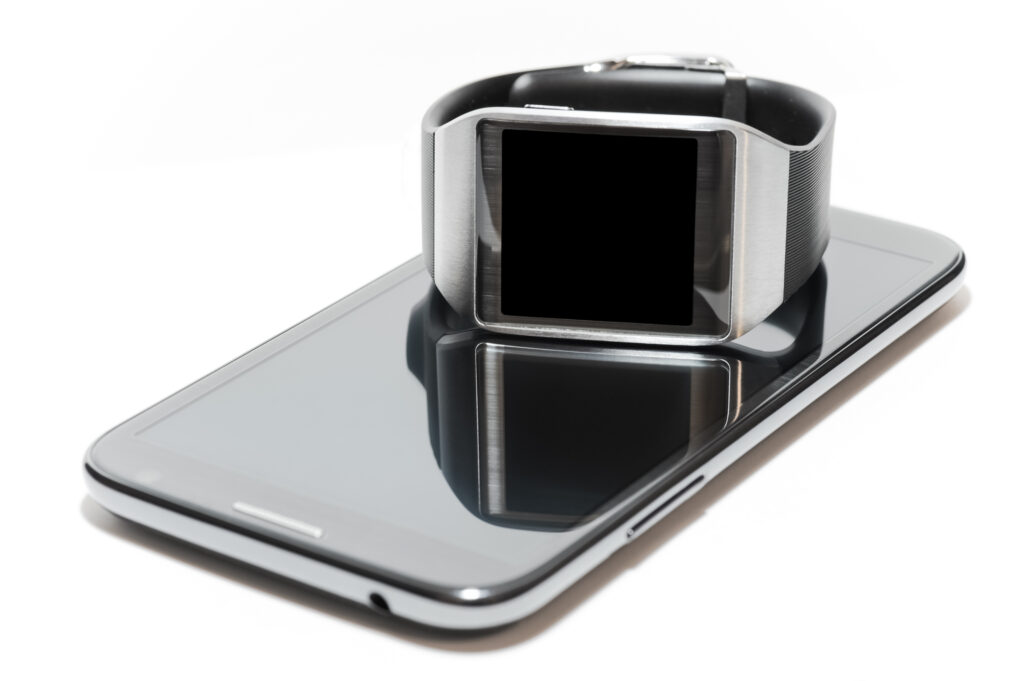
The EEOC recently released new guidance on employer use of wearables, GPS trackers, and screen monitoring tools in the workplace. As these technologies become more common, many employers see them as useful for improving safety, productivity, and accountability. However, the EEOC cautions that they also bring important compliance obligations under federal nondiscrimination laws. Wearables and GPS devices can collect sensitive data, including biometric or health information, as well as detailed location tracking. Under the Americans with Disabilities Act (ADA), collecting health-related information may qualify as a medical exam or disability-related inquiry. Employers are only permitted to make such inquiries when they are job-related and consistent with business necessity. In addition, any medical data must be stored separately from personnel files and kept strictly confidential.
Screen monitoring tools, such as software that tracks keystrokes, time on tasks, or browsing history, present a different but related set of risks. When applied inconsistently, or when the data is used in ways that unfairly impact certain groups of employees, monitoring can give rise to discrimination claims. For example, penalizing employees for more frequent breaks without considering medical conditions or caregiving responsibilities could have a disparate impact on workers protected under the ADA, Title VII, or other laws.
The EEOC also highlights risks around bias and fairness. Data collected through wearables or monitoring software may not be accurate for all users. Devices that misread health indicators for certain demographics, or monitoring programs that inadvertently disadvantage employees with disabilities, can create compliance issues even when the technology is applied uniformly. Employers are also reminded that they must provide reasonable accommodations for employees who cannot or should not participate in monitoring due to disability, pregnancy, or religious beliefs.
What does this mean in practice? Employers should carefully evaluate why monitoring technology is being used, what data it collects, and how the results are applied. Clear, transparent policies are advised. Employees should know the purpose of monitoring, what is being tracked, and how the information will (and will not) be used. Employers should apply the technology consistently across the workforce, while building in flexibility for accommodations where needed. Strong privacy and data security safeguards should also be in place to protect sensitive information. The EEOC’s message is not to avoid these tools altogether, but to use them thoughtfully. When employers are transparent, fair, and consistent, they can take advantage of the benefits of new technology while minimizing legal risk. Taking the time now to review monitoring practices and policies can help ensure compliance and build trust with employees at the same time.
Sources:
- [Sheppard Mullin: Labor & Employment Blog – Wearable Technologies and Employment Risks-EEOC Issues New Guidance]
[https://www.laboremploymentlawblog.com/2025/02/articles/americans-with-disabilities-act-ada/wearable-technologies-and-employment-risks-eeoc-issues-new-guidance/]
- [Jackson Lewis: EEOC Issues New Guidance on Wearable Technologies: Key Points for Employers]
[https://www.disabilityleavelaw.com/2025/01/articles/eeoc-guidance/eeoc-issues-new-guidance-on-wearable-technologies-key-points-for-employers/]
- [Littler Mendelson: EEOC Fact Sheet on Wearable Technologies Indicates Growing Concern Over Employee Monitoring]EEO
[https://www.littler.com/news-analysis/asap/eeoc-fact-sheet-wearable-technologies-indicates-growing-concern-over-employee]
By Jennifer Durham, SHRM-SCP