
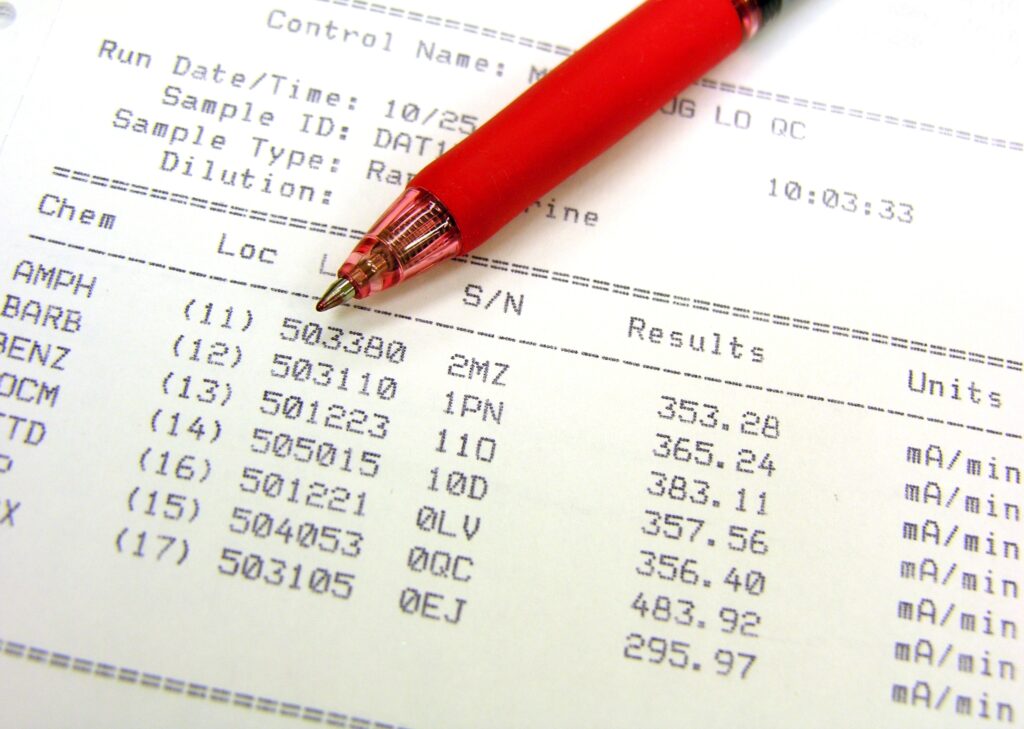
Many employers incorporate drug screening into their hiring process, but it’s important to understand that the type of test used can affect detection accuracy, practicality, and even the perceived fairness of the process. The most common methods are urine testing and oral (cheek) swab testing, and employers are increasingly evaluating whether fentanyl screening should be added to their standard panel considering current substance use trends.
Urine testing is the traditional approach and continues to provide the broadest detection window and the most extensive substance coverage. However, it typically requires restroom access and may involve additional handling procedures, which can make the process slightly more involved from a logistical standpoint. Oral swab testing, collected from inside the cheek, can be administered on-site and tends to be faster and less intrusive. It’s effective at detecting very recent use but may not cover as many substances or provide as long a detection period unless the panel is specifically expanded.
One important consideration is that fentanyl is not automatically included in standard drug screening panels. Adding it requires intentional selection and may involve a modest increase in cost or slightly longer processing time. In higher-risk environments, such as construction, transportation, or roles involving field work, employers often determine that including fentanyl screening is appropriate and aligns better with safety-based decision making.
For policy consistency, many organizations review their drug screening panels annually, especially when renewing vendor contracts or updating safety procedures. While costs vary, in general, employers can expect to pay between $30 and $60 per test, depending on the method used, number of substances included, turnaround expectations, and whether confirmation testing is required. While oral swab tests may initially appear less expensive, costs can increase if additional lab processing or minimum purchase quantities apply. When comparing providers, employers should request a full pricing breakdown that includes panel customization (such as fentanyl), any retesting needs, and applicable administrative or shipping fees.
Ultimately, urine testing is typically preferred when broader detection capability is the priority, while oral swab testing may be more practical where convenience and immediate administration are important. Regardless of method, periodically reviewing test panels, in light of workplace safety risks and evolving compliance requirements, helps ensure continued alignment with company standards and operational needs.
Sources:
By Jennifer Durham, SHRM-SCP